

Sports Sponsorship Market Size to Reach USD 156.14 Billion by 2032 from USD 91.69 Billion in 2025 | CAGR of 7.90 %
Sports Sponsorship Market Size
Sports Sponsorship Market Size, Growth Drivers, Application Trends, and Industry Outlook 2026–2032
Positive Outlook Toward Sustainable and Purpose-Driven Sponsorship to Propel Market Growth”
PUNE, MAHARASHTRA, INDIA, February 8, 2026 /EINPresswire.com/ -- Market Valuation and Growth Projection, 2026-2034— Fortune Business Insights
The global Sports Sponsorship Market a vital segment of the sports and marketing ecosystem is witnessing robust growth as brands increasingly leverage sports platforms to connect with consumers, boost brand visibility, and engage audiences at scale. This growth is driven by the expanding commercialization of sports, rising digital access, and evolving marketing strategies that integrate sponsorships into broader brand engagement initiatives. According to Fortune Business Insights, the global sports sponsorship market is projected to grow significantly from USD 91.69 billion in 2025 to USD 156.14 billion by 2032, reflecting a compound annual growth rate (CAGR) of 7.90 % during the forecast period.
Request a Sample PDF:
https://www.fortunebusinessinsights.com/enquiry/request-sample-pdf/sports-sponsorship-market-111331
Sports sponsorship involves the provision of financial or material support by companies to sporting entities — including teams, athletes, leagues, and events in return for rights to promotional activity, brand exposure, advertising access, and engagement opportunities with dedicated fanbases. This strategic alliance between corporate sponsors and sports rights holders has evolved into a core revenue stream across global sports properties.
Market Dynamics and Growth Drivers
The evolving global sports landscape — marked by multiple high-profile events, increasing media coverage, and enhanced fan engagement through digital channels — continues to drive sponsorship spending. As fans consume sports content across multiple platforms, brands see sponsorship as an opportunity to build deeper, more authentic relationships with audiences.
Key growth drivers include:
• Expansion of Global Sports Viewership: Live sporting events remain among the most watched media content worldwide. Major leagues and tournaments — from football and cricket to motor sports — attract massive global audiences, offering sponsors unparalleled reach and visibility.
• Digital and Social Media Amplification: Increased consumption of sports content through digital platforms, streaming services, and social media channels enables sponsors to target specific audience segments with tailored content — improving engagement metrics and return on investment.
• Integration of Sponsorship with Brand Marketing Campaigns: Sports sponsorship is no longer limited to static logo placements. Brands now deploy multi-touchpoint marketing strategies that combine live activations, digital storytelling, influencer collaborations, and experiential campaigns that resonate with consumer lifestyles.
• Rising Commercial Value of Major Events: Flagship global events such as the FIFA World Cup, the Olympics, and international cricket tournaments continue to secure major corporate partnerships, attracting high-value sponsorship deals and increasing overall market value.
Despite occasional economic headwinds, the broader sponsorship landscape remains resilient as brands prioritize long-term partnerships and data-driven activations that align with evolving consumer expectations.
Market Segmentation Analysis
The sports sponsorship market is segmented by type of sponsorship, application, and region, each reflecting distinct commercial demand profiles and strategic sponsorship deployment.
1. By Type of Sponsorship:
• Title Sponsorship: Involves naming rights and top-tier visibility, often commanding premium investment for major events or leagues.
• Media Sponsorship: Sponsors secure brand placements across broadcast, streaming, and digital media content, expanding reach and improving visibility metrics.
• Team & Athlete Sponsorship: Brands directly partner with specific teams or athletes for personalized promotions, fan engagement, and merchandise collaborations.
These categories allow brands to choose partnerships based on targeted engagement goals, budget considerations, and desired audience impact.
2. By Application:
• Brand Awareness & Advertising: Sports sponsorship is widely used to reinforce brand identity and expand market footprint among target consumer groups.
• Consumer Engagement & Loyalty Programs: Sponsors use events and sports content to foster community engagement, reward loyal customers, and create enriched fan experiences.
• Promotional Campaigns & Retail Activations: Partnerships often integrate cross-platform promotions that link sports sponsorships with product launches, campaigns, and retail strategies.
These application segments collectively support the evolving role of sponsorship as a strategic marketing investment rather than a purely philanthropic or traditional ad expenditure.
Regional Market Performance
The sports sponsorship market demonstrates varied regional dynamics influenced by market maturity, fan engagement behavior, and commercial investments in sports infrastructure.
North America has traditionally held a leading position due to well-established professional sports leagues, high corporate sponsorship budgets, and advanced media ecosystems that amplify sponsorship value. Events like the Super Bowl, NBA Finals, and MLB World Series attract significant corporate partnerships.
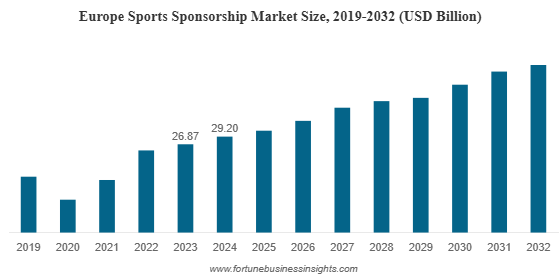
Europe remains another strong market, largely driven by football sponsorships — both at the national league level and major UEFA competitions. European brands also leverage sponsorships to enter new international markets and enhance brand positioning.
Asia Pacific is poised for substantial growth as regional sports leagues, international tournaments, and expanding fan bases — particularly in cricket and football — increase sponsorship demand. Rising disposable incomes and digital media adoption further support market expansion in countries such as India, China, and Southeast Asian nations.
Latin America and Middle East & Africa are experiencing incremental growth as regional sporting events, infrastructure investments, and international partnerships gain traction, gradually increasing sponsorship adoption.
Click for an Enquiry: https://www.fortunebusinessinsights.com/enquiry/speak-to-analyst/sports-sponsorship-market-111331
Market Outlook and Future Trends
Looking toward 2032, the sports sponsorship market is expected to maintain strong momentum as brands continue to recognize the value of association with sports properties, particularly in an era of fragmented media consumption and personalized engagement. Sports sponsorship will remain a strategic tool that integrates brand storytelling, digital activation, and experiential marketing, driving deeper audience connections and commercial value.
Sponsors that harness data-driven insights, multi-platform engagement strategies, and innovative fan experiences will likely emerge as leaders in this evolving marketplace. As global sports continue to expand their international footprint, the sponsorship ecosystem will remain a compelling arena for brand investment and consumer interaction.
View Other Trending Reports:
Sports Apparel Market Size, Share & Industry Analysis
Sports Footwear Market Size, Share & Industry Analysis
Ashwin Arora
Fortune Business Insights™ Pvt. Ltd.
+1 833-909-2966
email us here
Legal Disclaimer:
EIN Presswire provides this news content "as is" without warranty of any kind. We do not accept any responsibility or liability for the accuracy, content, images, videos, licenses, completeness, legality, or reliability of the information contained in this article. If you have any complaints or copyright issues related to this article, kindly contact the author above.
