
How Custom Cnc Machinging Parts Manufacturers are Driving the Future of Automotive Engineering
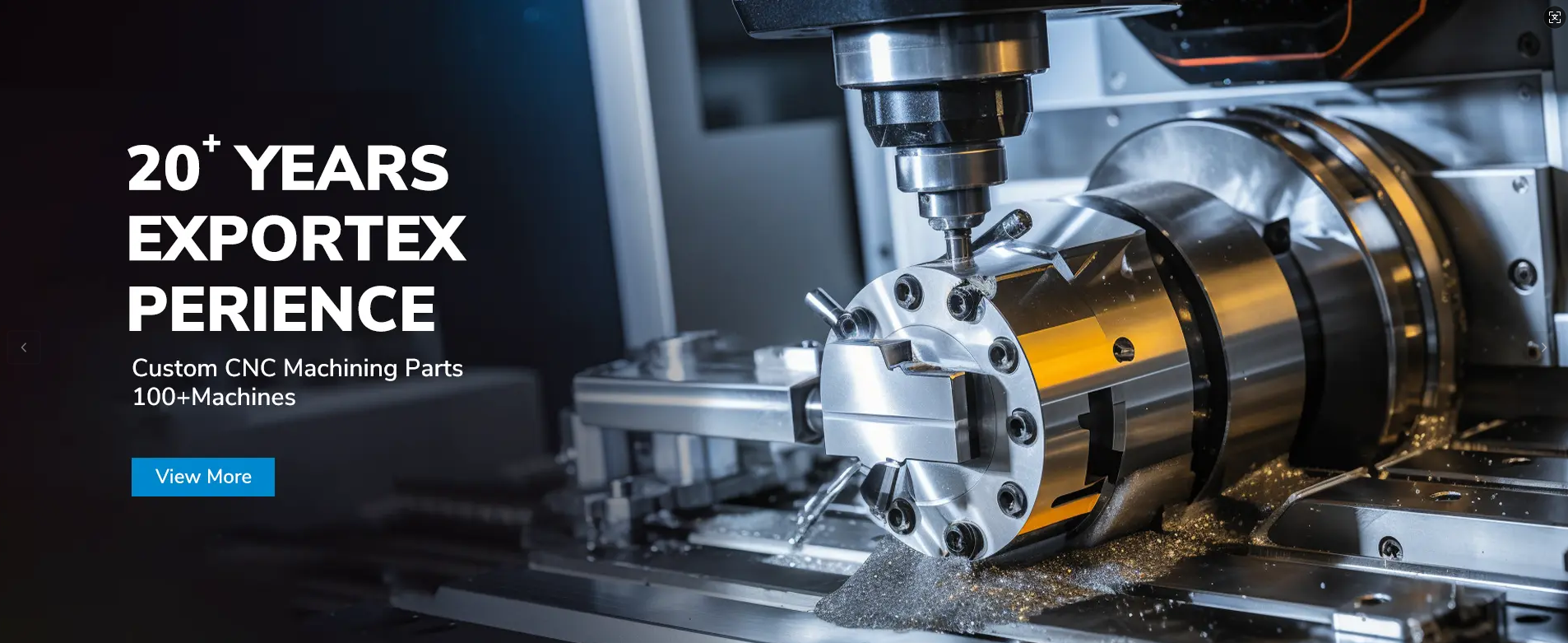
SHENZHEN, GUANGDONG, CHINA, January 15, 2026 /EINPresswire.com/ -- In the rapidly evolving landscape of the global automotive industry, the shift toward electrification and autonomous driving has placed unprecedented demands on manufacturing precision and material innovation. As vehicle architectures become more complex, the role of high-precision components has moved from the periphery to the center of engineering breakthroughs. Custom Cnc Machinging Parts Manufacturers are now the silent architects behind these advancements, providing the critical bridge between visionary digital designs and high-performance physical realities. Companies like Jing Si Dun (Shenzhen Jing Si Dun Mechanical Equipment Co., Ltd.) are spearheading this transition by offering specialized engineering expertise and agile production capabilities that traditional mass-manufacturing methods simply cannot match.
The New Standard in Automotive Precision
The modern vehicle is no longer just a mechanical machine; it is a sophisticated integration of electronic sensors, thermal management systems, and high-strength structural assemblies. This complexity requires a level of dimensional accuracy that was once reserved for aerospace applications. Custom CNC machining provides the solution by enabling the production of parts with tolerances as tight as a few microns. For automotive engineers, this means the ability to design more efficient engines, smoother transmissions, and more reliable safety systems.
In the realm of internal combustion engines (ICE), CNC machining is vital for producing cylinder heads, engine blocks, and valve train components. Each of these parts must withstand extreme heat and pressure while maintaining a perfect fit to ensure optimal combustion and fuel efficiency. By leveraging multi-axis CNC milling and turning, manufacturers can create intricate internal cooling channels and weight-optimized geometries that reduce friction and improve the power-to-weight ratio.
Accelerating the Electric Vehicle Revolution
As the industry pivots toward electric vehicles (EVs), the focus of custom machining has shifted toward new critical priorities: battery integrity, lightweighting, and noise, vibration, and harshness (NVH) control. EV motors operate at significantly higher RPMs than traditional engines, making the precision of motor shafts and housings paramount. Any minor imbalance can lead to catastrophic failure or excessive noise that compromises the luxury experience of a quiet electric cabin.
Custom Cnc Machinging Parts Manufacturers are instrumental in developing these high-performance EV components. Specialized parts such as aluminum battery trays and motor casings require complex 5-axis machining to integrate structural rigidity with lightweight characteristics. Lightweighting is particularly crucial; for every kilogram removed from the vehicle’s chassis or powertrain, the range of the battery is effectively extended. Manufacturers are increasingly using CNC technology to process advanced magnesium and aluminum alloys, creating "bionic" designs that mimic natural structures to maximize strength while minimizing mass.
Motor Housings: Precision-machined for optimal heat dissipation and stator alignment.
Battery Cold Plates: Intricately milled channels ensure uniform cooling across battery cells.
Power Electronics Enclosures: Shielding critical circuits from electromagnetic interference while providing structural protection.
Prototyping: The Gateway to Innovation
The speed of innovation in the automotive sector has shortened product lifecycles significantly. What used to take five years of development now often happens in two. This acceleration is made possible by the "prototyping revolution" led by firms like Jing Si Dun. In the early stages of engineering, having a physical, functional prototype is essential for wind tunnel testing, crash simulation, and fitment verification.
Unlike injection molding or die casting, which require expensive and time-consuming tooling, CNC machining allows for rapid iteration. An engineer can modify a CAD file in the morning and have a physical metal part in their hands by the afternoon. This agility allows automotive startups and established OEMs (Original Equipment Manufacturers) to test unconventional designs without the financial risk of long-lead tooling. Whether it is a custom suspension linkage for a racing accessory or a complex joint for an AI-integrated robotic arm used in assembly, custom machining provides the flexibility to evolve designs in real-time.
Engineering Excellence at Jing Si Dun
Located in the heart of China’s manufacturing hub, Jing Si Dun (Shenzhen Jing Si Dun Mechanical Equipment Co., Ltd.) has established itself as a reliable partner for mission-critical engineering projects. The company’s philosophy centers on being more than just a vendor; they act as a strategic engineering extension for their clients. With a dedicated team of creative and strategic experts, Jing Si Dun manages projects from the initial prototyping phase through to full-scale production.
Their facility is equipped with advanced CNC milling and turning centers capable of handling a diverse range of materials, including stainless steel, aluminum alloys, and engineered plastics. This versatility is essential for the automotive sector, where a single vehicle might require parts made from several different materials, each with unique machining requirements. Jing Si Dun’s commitment to efficiency and precision ensures that even the most complex geometries are delivered with consistent quality, helping clients meet the rigorous standards of modern automotive safety and performance.
Future-Proofing the Supply Chain
The future of automotive engineering is being shaped by Industry 4.0—the integration of digital technology into the manufacturing process. Future-ready Custom Cnc Machinging Parts Manufacturers are adopting AI-driven toolpath optimization and IoT-enabled monitoring to further enhance efficiency. These technologies allow for predictive maintenance, ensuring that machines operate with zero downtime, and real-time quality control, which catches deviations before a part is even finished.
Furthermore, the trend toward localized and resilient supply chains means that manufacturers who can provide a "one-stop-shop" service—covering everything from material sourcing and machining to surface finishing and assembly—are becoming the preferred partners for global automotive brands. By consolidating these processes, manufacturers reduce lead times and minimize the logistical risks associated with global shipping.
The Synergy of Design and Manufacture
The true value of custom CNC machining lies in the synergy between design and manufacture. As engineers push the boundaries of what is possible—creating autonomous sensors that can "see" through fog or suspension systems that adapt to the road in milliseconds—they rely on the ability of machinists to bring those ideas to life. The collaboration between the design desk and the machine shop is where the future of mobility is truly forged.
As we look toward 2026 and beyond, the reliance on high-precision, custom-engineered components will only grow. The vehicles of tomorrow will be lighter, smarter, and more efficient, but they will still depend on the fundamental quality of the parts that hold them together. For companies seeking to lead this transformation, partnering with an experienced manufacturing team is the most effective way to turn complex missions into reality.
To learn more about how precision engineering can elevate your next project, or to explore a wide range of manufacturing solutions, visit the official website of Jing Si Dun at https://www.jsdcncmachining.com/.
The New Standard in Automotive Precision
The modern vehicle is no longer just a mechanical machine; it is a sophisticated integration of electronic sensors, thermal management systems, and high-strength structural assemblies. This complexity requires a level of dimensional accuracy that was once reserved for aerospace applications. Custom CNC machining provides the solution by enabling the production of parts with tolerances as tight as a few microns. For automotive engineers, this means the ability to design more efficient engines, smoother transmissions, and more reliable safety systems.
In the realm of internal combustion engines (ICE), CNC machining is vital for producing cylinder heads, engine blocks, and valve train components. Each of these parts must withstand extreme heat and pressure while maintaining a perfect fit to ensure optimal combustion and fuel efficiency. By leveraging multi-axis CNC milling and turning, manufacturers can create intricate internal cooling channels and weight-optimized geometries that reduce friction and improve the power-to-weight ratio.
Accelerating the Electric Vehicle Revolution
As the industry pivots toward electric vehicles (EVs), the focus of custom machining has shifted toward new critical priorities: battery integrity, lightweighting, and noise, vibration, and harshness (NVH) control. EV motors operate at significantly higher RPMs than traditional engines, making the precision of motor shafts and housings paramount. Any minor imbalance can lead to catastrophic failure or excessive noise that compromises the luxury experience of a quiet electric cabin.
Custom Cnc Machinging Parts Manufacturers are instrumental in developing these high-performance EV components. Specialized parts such as aluminum battery trays and motor casings require complex 5-axis machining to integrate structural rigidity with lightweight characteristics. Lightweighting is particularly crucial; for every kilogram removed from the vehicle’s chassis or powertrain, the range of the battery is effectively extended. Manufacturers are increasingly using CNC technology to process advanced magnesium and aluminum alloys, creating "bionic" designs that mimic natural structures to maximize strength while minimizing mass.
Motor Housings: Precision-machined for optimal heat dissipation and stator alignment.
Battery Cold Plates: Intricately milled channels ensure uniform cooling across battery cells.
Power Electronics Enclosures: Shielding critical circuits from electromagnetic interference while providing structural protection.
Prototyping: The Gateway to Innovation
The speed of innovation in the automotive sector has shortened product lifecycles significantly. What used to take five years of development now often happens in two. This acceleration is made possible by the "prototyping revolution" led by firms like Jing Si Dun. In the early stages of engineering, having a physical, functional prototype is essential for wind tunnel testing, crash simulation, and fitment verification.
Unlike injection molding or die casting, which require expensive and time-consuming tooling, CNC machining allows for rapid iteration. An engineer can modify a CAD file in the morning and have a physical metal part in their hands by the afternoon. This agility allows automotive startups and established OEMs (Original Equipment Manufacturers) to test unconventional designs without the financial risk of long-lead tooling. Whether it is a custom suspension linkage for a racing accessory or a complex joint for an AI-integrated robotic arm used in assembly, custom machining provides the flexibility to evolve designs in real-time.
Engineering Excellence at Jing Si Dun
Located in the heart of China’s manufacturing hub, Jing Si Dun (Shenzhen Jing Si Dun Mechanical Equipment Co., Ltd.) has established itself as a reliable partner for mission-critical engineering projects. The company’s philosophy centers on being more than just a vendor; they act as a strategic engineering extension for their clients. With a dedicated team of creative and strategic experts, Jing Si Dun manages projects from the initial prototyping phase through to full-scale production.
Their facility is equipped with advanced CNC milling and turning centers capable of handling a diverse range of materials, including stainless steel, aluminum alloys, and engineered plastics. This versatility is essential for the automotive sector, where a single vehicle might require parts made from several different materials, each with unique machining requirements. Jing Si Dun’s commitment to efficiency and precision ensures that even the most complex geometries are delivered with consistent quality, helping clients meet the rigorous standards of modern automotive safety and performance.
Future-Proofing the Supply Chain
The future of automotive engineering is being shaped by Industry 4.0—the integration of digital technology into the manufacturing process. Future-ready Custom Cnc Machinging Parts Manufacturers are adopting AI-driven toolpath optimization and IoT-enabled monitoring to further enhance efficiency. These technologies allow for predictive maintenance, ensuring that machines operate with zero downtime, and real-time quality control, which catches deviations before a part is even finished.
Furthermore, the trend toward localized and resilient supply chains means that manufacturers who can provide a "one-stop-shop" service—covering everything from material sourcing and machining to surface finishing and assembly—are becoming the preferred partners for global automotive brands. By consolidating these processes, manufacturers reduce lead times and minimize the logistical risks associated with global shipping.
The Synergy of Design and Manufacture
The true value of custom CNC machining lies in the synergy between design and manufacture. As engineers push the boundaries of what is possible—creating autonomous sensors that can "see" through fog or suspension systems that adapt to the road in milliseconds—they rely on the ability of machinists to bring those ideas to life. The collaboration between the design desk and the machine shop is where the future of mobility is truly forged.
As we look toward 2026 and beyond, the reliance on high-precision, custom-engineered components will only grow. The vehicles of tomorrow will be lighter, smarter, and more efficient, but they will still depend on the fundamental quality of the parts that hold them together. For companies seeking to lead this transformation, partnering with an experienced manufacturing team is the most effective way to turn complex missions into reality.
To learn more about how precision engineering can elevate your next project, or to explore a wide range of manufacturing solutions, visit the official website of Jing Si Dun at https://www.jsdcncmachining.com/.
Shenzhen Jing Si Dun Mechanical Equipment Co., Ltd.
+86 18026272797
contact@jsdcncprecision.com
Legal Disclaimer:
EIN Presswire provides this news content "as is" without warranty of any kind. We do not accept any responsibility or liability for the accuracy, content, images, videos, licenses, completeness, legality, or reliability of the information contained in this article. If you have any complaints or copyright issues related to this article, kindly contact the author above.
